Hyaluronic Acid: Why Great Skincare Is About More Than Hydration
“The question isn’t whether a product contains hyaluronic acid. The question is whether the formula gives it a chance to shine.”
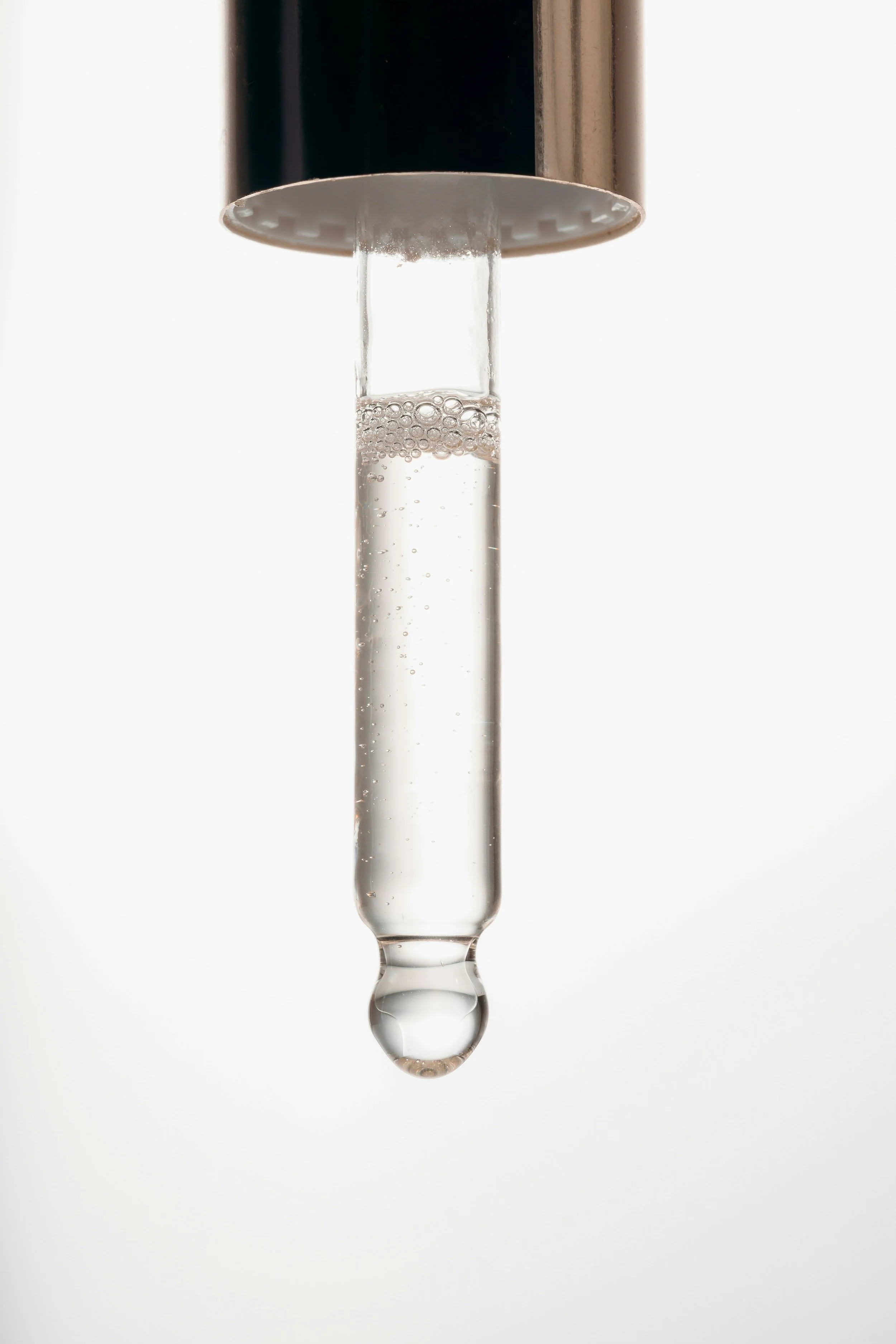
Everyone Talks About Hyaluronic Acid. Very Few Talk About the Formula.
If you've spent any time in the beauty industry over the last decade, you've probably heard that hyaluronic acid can hold up to 1,000 times its weight in water.
It's one of skincare's most recognizable ingredients.
It's also one of its most misunderstood.
As a cosmetic chemist, I rarely ask whether a product contains hyaluronic acid.
I ask:
Which molecular weight is right?
Which biotechnology supplier produces the best material?
At what concentration will it perform best?
What ingredients should support it?
What experience are we trying to create?
Those questions have a much greater impact on product performance than simply adding "hyaluronic acid" to an ingredient list.
Consumers don't buy ingredient decks.
They buy products that feel luxurious, absorb beautifully, and deliver results they can see and feel.
That's where formulation makes the difference.
What Is Hyaluronic Acid?
Hyaluronic acid (HA), also called hyaluronan, is a naturally occurring polysaccharide found throughout the skin, connective tissue, and joints.
Its primary role is helping the skin retain water, support elasticity, and maintain a healthy skin barrier. As natural levels decline with age, skin becomes more susceptible to dryness, dehydration, and visible signs of aging.
Today, hyaluronic acid is one of the most widely used moisturizing ingredients in personal care. You'll find it in serums, moisturizers, eye creams, masks, scalp treatments, and even hair care products because of its ability to improve hydration and skin feel.
Modern Hyaluronic Acid Is a Biotechnology Ingredient
Most cosmetic-grade hyaluronic acid is no longer sourced from animal tissue.
Instead, it is produced through microbial fermentation, resulting in highly purified, vegan-friendly ingredients with excellent batch-to-batch consistency.
What many people don't realize is that there isn't just one hyaluronic acid.
Biotechnology companies around the world produce hundreds of different grades with unique molecular weights, viscosities, purity profiles, and sensory characteristics. These differences can dramatically influence how a finished product feels, spreads, absorbs, and performs.
Selecting the right biotechnology is often just as important as selecting the ingredient itself.
Why Molecular Weight Matters
One of the biggest misconceptions is that all hyaluronic acid behaves the same way.
It doesn't.
High molecular weight hyaluronic acid primarily hydrates the skin's surface, creating an immediate plumping effect and a smoother feel.
Lower molecular weight grades are commonly selected for lightweight serums and elegant treatment products where a less film-forming sensory profile is desired.
Rather than asking which molecular weight is "best," cosmetic chemists ask a different question:
What consumer experience are we trying to create?
What Is Multi-Molecular Hyaluronic Acid?
Many premium skincare products advertise multi-molecular, multi-weight, or multi-dimensional hyaluronic acid.
These terms don't describe a new ingredient.
They simply mean the formula contains multiple molecular weights of hyaluronic acid.
Each molecular weight contributes differently to hydration, viscosity, spreadability, and sensory feel.
A thoughtfully designed blend can help provide:
Immediate and long-lasting hydration
Improved spreadability
Reduced tackiness
A smoother, more luxurious finish
The goal isn't to include as many forms of hyaluronic acid as possible.
The goal is to create a better consumer experience.
Is Hyaluronic Acid Right for Everyone?
One of the most common questions surrounding hyaluronic acid is whether it should be avoided in very dry climates.
The answer is more nuanced than many social media posts suggest.
Because hyaluronic acid is a humectant, it binds water. In humid environments, it can help attract and retain moisture near the skin's surface. In extremely dry climates, however, there is less environmental moisture available. Under those conditions, hyaluronic acid may rely more heavily on water already present within the outer layers of the skin.
This has led to the popular claim that hyaluronic acid "pulls moisture out of your skin."
While there is some physiological basis for this idea under very low humidity conditions, it overlooks one important fact:
Consumers don't apply ingredients. They apply formulations.
A well-designed moisturizer doesn't rely on hyaluronic acid alone.
It combines humectants with emollients, barrier-supporting ingredients, and occlusives that help reduce transepidermal water loss and maintain hydration.
That's why one hyaluronic acid serum may leave skin feeling tight while another feels deeply moisturizing.
The difference usually isn't the hyaluronic acid.
It's the formulation surrounding it.
Choosing the Right Hyaluronic Acid for Your Product
One of the biggest decisions during product development isn't whether to use hyaluronic acid.
It's deciding which one.
Today's market offers hundreds of hyaluronic acid technologies from biotechnology companies around the world. They differ in molecular weight, fermentation process, purity, sustainability, sensory profile, regulatory support, and price.
Selecting the right material isn't about choosing the newest or most expensive option.
It's about selecting the technology that best supports your product's performance goals, manufacturing process, target cost of goods, and brand positioning.
Depending on your project, we may recommend a traditional sodium hyaluronate, a multi-molecular blend, hydrolyzed hyaluronic acid, or even an alternative hydration technology such as polyglutamic acid, ectoin, Pentavitin®, betaine, or trehalose if it better achieves your objectives.
At Cosmeta, ingredient selection begins with understanding the product you're trying to build—not simply choosing the most popular ingredient. We evaluate biotechnology suppliers, compare raw material performance, and recommend the technologies that best align with your formulation goals.
Our job isn't to formulate with the trendiest ingredient.
Our job is to formulate with the right one.
Why Owning Your Formula Matters
Developing a custom cosmetic formula is more than creating a product.
It's building intellectual property for your business.
One of the most important questions a founder can ask is:
"Who owns my formula?"
Not every custom formulation becomes your intellectual property. Some development labs formulate from proprietary libraries, modify existing formula bases, or retain ownership of the underlying formulation. While these approaches may work for certain projects, they can also limit your flexibility to manufacture elsewhere, expand your product line, or fully control your innovation.
At Cosmeta, we believe research and development should create lasting value.
Every custom formulation is developed specifically for your brand, your performance goals, and your market position. Upon completion of the project under the agreed terms, ownership of the formulation transfers to your company, giving you the freedom to manufacture with the partner of your choice and continue building your brand on a foundation you own.
Your formula shouldn't simply fill a bottle.
It should become one of your company's most valuable assets.
Our Approach to Formulation
Ingredients don't create great products.
Formulation does.
Consumers don't experience ingredient lists. They experience texture, fragrance, absorption, stability, performance, and how a product makes them feel. Two products can contain nearly identical ingredient lists yet deliver completely different consumer experiences because of the countless decisions made during formulation.
That's why every project at Cosmeta begins by understanding the product—not selecting ingredients.
We ask:
Who is the customer?
What problem are we solving?
How should the product feel?
What claims should it support?
How will it be manufactured?
What is the target cost of goods?
Which biotechnology platforms and ingredient suppliers are best suited for the application?
Whether we're evaluating different grades of hyaluronic acid, peptide technologies, emulsifiers, sunscreen actives, or botanical extracts, every decision is made with one objective:
Creating products consumers want to buy again.
Because successful formulations aren't built by chasing trends.
They're built by solving problems through thoughtful research, technical expertise, and hundreds of small decisions that work together to create an exceptional product.
Ready to Build Something Different?
Whether you're launching your first beauty brand or expanding an established product line, choosing the right formulation partner can have a lasting impact on your success.
At Cosmeta, we partner with founders and brands to develop high-performance skincare, hair care, body care, sunscreen, and sunless tanning products through custom research and development.
From evaluating emerging biotechnology ingredients to optimizing texture, stability, manufacturability, regulatory considerations, and cost of goods, we guide every stage of product development with scientific rigor and commercial practicality.
If you're looking for more than a formula—if you're looking for a true research and development partner—we'd love to learn more about your project.
Let's build something consumers remember.