Challenge Testing vs. Preservative Efficacy Testing: What's the Difference?
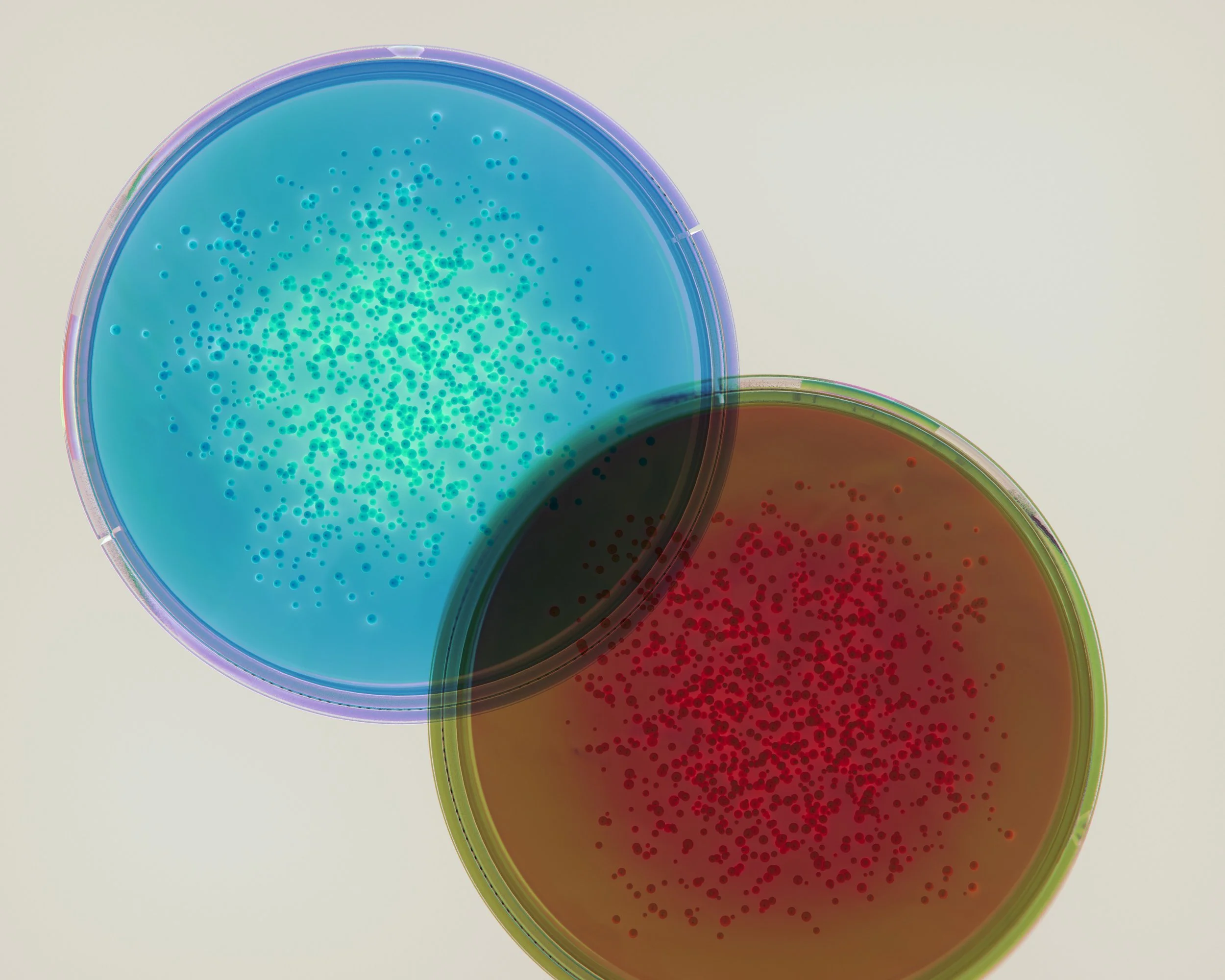
“Consumers never notice a preservative system that works perfectly—and that’s exactly the point. The best preservation is invisible because it quietly protects the product every day it’s on the shelf.”
Every cosmetic product that contains water has one thing in common: microorganisms would love to live in it.
Creams, lotions, shampoos, conditioners, cleansers, masks, and serums can provide an ideal environment for bacteria, yeast, and mold if they are not properly preserved.
Consumers rarely think about preservatives until they see "preservative-free" marketing claims or hear concerns about certain ingredients. Behind the scenes, however, one of the most important parts of cosmetic product development is ensuring that a product remains microbiologically safe throughout its intended shelf life.
This is where Challenge Testing and Preservative Efficacy Testing (PET) come into play.
These terms are frequently used interchangeably, which often leads to confusion among founders and even experienced product developers. While they generally describe the same type of microbiological evaluation, there are subtle differences in terminology depending on the laboratory, regulatory framework, and testing standard being referenced.
Understanding what these tests evaluate—and just as importantly, what they do not evaluate—can help brands make better development decisions and avoid costly mistakes later.
Why Cosmetic Products Need Preservatives
Whenever water is present in a cosmetic formulation, microorganisms have the potential to grow.
Although ingredients such as botanical extracts, proteins, sugars, and naturally derived materials provide desirable consumer benefits, they can also provide nutrients that support microbial growth if a product becomes contaminated during normal consumer use.
Every time someone dips a finger into a jar, opens a bottle, or applies a product in a humid bathroom, microorganisms from the surrounding environment may enter the package.
Without an effective preservative system, those microorganisms can multiply rapidly.
Microbial contamination can lead to:
Product spoilage
Changes in color or odor
Separation or viscosity changes
Reduced product performance
Consumer safety concerns
Product recalls
Damage to brand reputation
An effective preservative system protects both the product and the consumer throughout the product's expected shelf life.
What Is Challenge Testing?
Challenge Testing is a controlled laboratory study designed to evaluate whether a cosmetic product's preservative system can successfully control microbial contamination.
Rather than waiting for contamination to occur naturally, microbiologists intentionally introduce known microorganisms into the finished product.
The product is then monitored over time to determine whether the preservative system effectively reduces or eliminates those microorganisms.
In other words, the formulation is intentionally "challenged" with microorganisms under controlled laboratory conditions.
The objective isn't to see whether contamination occurs.
The objective is to determine whether the preservative system is capable of controlling contamination if it occurs during normal consumer use.
What Is Preservative Efficacy Testing (PET)?
Preservative Efficacy Testing, commonly abbreviated as PET, evaluates the exact same fundamental question:
Does the preservative system adequately protect the finished cosmetic product against microbial contamination?
The test measures how effectively the preservative system reduces or controls specific microorganisms over a defined testing period according to established acceptance criteria.
Many laboratories, manufacturers, and regulatory documents use the terms Challenge Test and Preservative Efficacy Test interchangeably.
In most cosmetic development projects, they refer to the same study.
The terminology often depends on which testing standard or laboratory protocol is being referenced rather than representing two completely different procedures.
Why the Terminology Causes Confusion
Founders are often surprised to receive quotes for both "Challenge Testing" and "PET Testing" and assume they are purchasing two separate studies.
In many cases, they are not.
The phrase Challenge Test describes what is being done to the product—the preservative system is being challenged by microorganisms.
Preservative Efficacy Testing describes the purpose of the study—evaluating how effectively the preservative system performs.
Although laboratories may use slightly different terminology, the underlying objective is generally the same.
Whenever discussing testing requirements with your laboratory or contract manufacturer, it's important to clarify exactly which protocol will be performed and which acceptance criteria will be used rather than relying solely on the name of the test.
How Is Preservative Efficacy Testing Performed?
Although testing protocols vary slightly depending on the laboratory and applicable standards, the overall process follows the same fundamental principles.
The finished cosmetic product is intentionally inoculated with a carefully selected group of microorganisms commonly associated with cosmetic contamination. These typically include representative bacteria, yeast, and mold species that challenge the preservative system under controlled laboratory conditions.
After inoculation, the product is stored under specified conditions while microbiologists periodically measure the number of surviving microorganisms over a predetermined testing period.
Rather than simply determining whether microorganisms are present, the study evaluates how quickly and effectively the preservative system reduces or controls microbial growth.
To pass, the product must meet established acceptance criteria defined by the testing method being used.
The objective is to demonstrate that the preservative system remains effective if the product becomes contaminated during normal consumer use.
Common Microorganisms Used During Testing
While the exact organisms depend on the testing standard, preservative efficacy studies commonly evaluate microorganisms such as:
Staphylococcus aureus
Pseudomonas aeruginosa
Escherichia coli
Candida albicans
Aspergillus brasiliensis (formerly Aspergillus niger)
These organisms were selected because they represent microorganisms that can challenge cosmetic preservation systems and are widely recognized within microbiological testing standards.
Which Cosmetic Products Need Challenge Testing?
Not every cosmetic product carries the same microbiological risk.
Products containing significant amounts of water are generally at the highest risk because microorganisms require available water to grow.
Examples commonly requiring preservative efficacy testing include:
Creams
Lotions
Moisturizers
Facial cleansers
Body washes
Liquid soaps
Shampoos
Conditioners
Hair styling products
Serums
Masks
Liquid makeup products
Products with very little available water, such as certain anhydrous balms, oils, waxes, or powders, may present a lower microbial risk. However, reduced risk does not automatically eliminate the need for preservation or microbiological evaluation.
Product composition, packaging, intended use, manufacturing controls, and regulatory expectations should all be considered when determining an appropriate testing strategy.
Formulation Decisions Can Influence PET Results
One of the most common misconceptions is that preservative selection alone determines whether a product passes challenge testing.
In reality, every aspect of the formulation can influence preservative performance.
For example:
Product pH can significantly affect preservative efficacy.
Certain botanical extracts may increase microbial risk.
High levels of proteins or sugars can provide nutrients for microorganisms.
Some emulsifiers or polymers may reduce preservative availability.
Fragrance components or multifunctional ingredients can sometimes enhance or interfere with preservation systems.
Highly viscous formulations may make it more difficult for preservatives to distribute evenly throughout the product.
This is one reason preservative systems should always be evaluated within the finished formula—not in isolation.
An effective preservative in one formulation may perform differently in another because the surrounding ingredients change the environment in which it must function.
Packaging Also Plays an Important Role
Packaging is often overlooked when discussing preservation, yet it can significantly influence product safety throughout its life cycle.
For example, a wide-mouth jar that consumers repeatedly touch with their fingers introduces microorganisms much more frequently than an airless pump designed to minimize product exposure.
Similarly, products intended for use in warm, humid environments—such as showers or bathrooms—may experience greater opportunities for contamination than products stored in other conditions.
Packaging cannot replace an effective preservative system, but thoughtful package selection can reduce contamination risk and support long-term product quality.
This is why formulation, preservation strategy, and packaging should be considered together rather than as separate development decisions.
Challenge Testing Is Different From Routine Microbial Testing
Another common source of confusion is the difference between preservative efficacy testing and routine microbiological testing.
Routine microbial testing evaluates whether microorganisms are already present in a finished batch at the time of testing.
Challenge testing evaluates whether the preservative system can successfully control contamination if microorganisms are introduced during consumer use.
These studies answer different questions and are complementary rather than interchangeable.
One evaluates the cleanliness of the manufactured product.
The other evaluates the long-term effectiveness of the preservative system.
Both contribute to overall product quality and consumer safety.
When Should Challenge Testing Be Performed?
Preservative efficacy testing is typically performed after the formulation has been finalized or is very close to commercialization.
Conducting PET too early can become unnecessarily expensive if significant formulation changes are still expected, as every meaningful formulation modification may require repeating the study.
For many custom formulation projects, development follows this general sequence:
Prototype development
Formula refinement
Client approval
Accelerated stability testing
Preservative Efficacy Testing (when appropriate)
Manufacturing scale-up
Commercial production
Although timelines vary depending on the product category, performing PET near the end of development helps ensure the study reflects the final commercial formulation rather than an early prototype.
It also avoids unnecessary testing costs while maintaining confidence in the finished product's microbiological safety.
Can a Product Pass Stability Testing but Fail Challenge Testing?
Yes—and this is one of the most important concepts for founders to understand.
A product may remain physically stable for months while still having an inadequate preservative system.
For example, a lotion may maintain its appearance, viscosity, fragrance, color, and texture throughout accelerated stability testing. From a physical standpoint, everything appears successful.
However, if that same product cannot effectively control microbial contamination during Preservative Efficacy Testing, it may not be suitable for commercialization.
Likewise, a product with an excellent preservative system may still fail stability testing because of issues such as ingredient incompatibility, emulsion separation, discoloration, fragrance instability, or changes in viscosity.
These studies answer completely different questions.
Stability testing asks:
"Will the product remain physically and chemically stable over time?"
Challenge testing asks:
"Will the preservative system continue protecting the product if contamination occurs?"
A commercially successful cosmetic product must satisfy both.
Why Passing PET Doesn't Mean the Formula Is "Finished"
Passing a Preservative Efficacy Test is an important milestone, but it isn't the finish line.
Commercialization still requires manufacturers to validate production-scale batches, confirm manufacturing consistency, and ensure the product performs reliably outside of laboratory conditions.
For example, production equipment may introduce different mixing dynamics than laboratory equipment. Manufacturing scale can affect air incorporation, heating and cooling rates, ingredient dispersion, and filling efficiency.
This is why experienced formulators think beyond laboratory success.
The goal isn't simply to create a formula that passes testing.
The goal is to develop a product that consistently performs during manufacturing, transportation, retail storage, and everyday consumer use.
Common Misconceptions About Challenge Testing
Several misconceptions continue to circulate throughout the beauty industry.
"Natural products don't need preservatives."
Natural ingredients can be just as susceptible—or even more susceptible—to microbial contamination than synthetic ingredients. Botanical extracts, plant waters, proteins, sugars, and fermented ingredients often require thoughtful preservation strategies.
"A strong preservative solves every microbiological problem."
No preservative can compensate for poor manufacturing practices, contaminated raw materials, unsanitary production environments, or inappropriate packaging.
Effective preservation begins with good formulation, quality manufacturing, and appropriate packaging—not simply selecting a stronger preservative.
"Passing one PET study guarantees lifetime protection."
Preservative efficacy testing evaluates one finished formulation under defined laboratory conditions.
Changing ingredients, adjusting pH, modifying fragrance, altering packaging, or reformulating the product may affect preservative performance and require additional evaluation.
Key Takeaways
Challenge Testing and Preservative Efficacy Testing (PET) generally refer to the same type of microbiological evaluation.
These studies determine whether a cosmetic product's preservative system can effectively control microbial contamination.
Water-containing products typically require careful evaluation of preservative performance before commercialization.
Preservative performance depends on the entire formulation—not just the preservative itself.
Packaging design, product pH, ingredient interactions, and consumer use patterns all influence preservation.
Stability testing and Challenge Testing evaluate different aspects of product quality, and both are important during development.
Cosmeta's Perspective
Preservative systems are often viewed as a regulatory requirement, but they're much more than that.
An effective preservation strategy reflects thoughtful formulation. It demonstrates that every ingredient, every packaging decision, and every manufacturing consideration has been evaluated as part of a complete product system.
At Cosmeta, we believe preservation should never be an afterthought. It's integrated into formulation strategy from the earliest stages of development because changing preservation late in a project can influence stability, sensory properties, compatibility, and even commercialization timelines.
The most successful products aren't built by choosing the strongest preservative or following trends. They're built by understanding how every component of the formulation works together to create a product that remains safe, stable, enjoyable to use, and practical to manufacture throughout its intended shelf life.
Ready for the Next Step
If you're developing a custom cosmetic product, preservation strategy should be considered long before commercial production begins.
Whether you're formulating a new product, refining an existing formula, or preparing for manufacturing, Cosmeta can help you design formulations that balance performance, consumer experience, manufacturability, and product safety.
Thoughtful product development isn't about passing one test—it's about building products designed to succeed from the laboratory to the marketplace.
FAQs
-
In most cosmetic product development projects, yes. The terms are often used interchangeably because they describe the same type of microbiological evaluation. "Challenge Test" refers to intentionally introducing microorganisms into the product, while "Preservative Efficacy Test" describes evaluating how well the preservative system controls them. Always confirm the specific testing protocol your laboratory is using.
-
Not necessarily. Products containing water generally present the highest microbial risk and are the most common candidates for preservative efficacy testing. Some anhydrous products, powders, or products with very low water activity may require different microbiological assessments. Testing recommendations should always be based on the specific formulation, packaging, intended use, and applicable regulatory expectations.
-
Yes. Even small formulation changes can influence preservative performance. Adjustments to pH, botanical extracts, emulsifiers, fragrances, multifunctional ingredients, or packaging may affect how well the preservative system functions. Significant formulation changes often warrant re-evaluating preservative efficacy before commercialization.
-
Stability testing evaluates whether a product maintains its physical, chemical, and aesthetic properties over time, such as appearance, viscosity, fragrance, color, and emulsion stability. Challenge Testing evaluates whether the preservative system can effectively control microbial contamination throughout the product's intended use. Both studies answer different questions, and many products benefit from both before manufacturing.
-
PET is typically performed after the formulation has been finalized or is very close to its commercial version. Performing the study too early may result in additional testing if the formulation changes significantly. Most development programs complete formulation refinement and preliminary stability work before investing in preservative efficacy testing on the final formula.