How Shelf Life Is Determined for Cosmetic Products
“Shelf life isn’t an afterthought. It’s designed into the formula from the very first prototype.”
Every cosmetic product has a shelf life.
Whether it's a moisturizer, cleanser, serum, sunscreen, shampoo, or body lotion, consumers expect the product they purchase to remain safe, stable, and perform as intended until the end of its usable life.
But how do manufacturers determine that shelf life before thousands—or even millions—of units reach store shelves?
Contrary to popular belief, they don't simply choose a date.
Shelf life is estimated through a combination of formulation science, stability testing, packaging evaluations, microbiological assessments, manufacturing knowledge, and years of product development experience.
The process is both scientific and practical, helping brands understand how products are likely to perform throughout storage, shipping, retail distribution, and consumer use.
Understanding how shelf life is determined can help founders appreciate why product testing is such an important investment before commercialization.
What Is Shelf Life?
Shelf life is the period during which a cosmetic product is expected to remain safe, stable, and suitable for its intended use when stored under appropriate conditions.
A product reaching the end of its shelf life doesn't necessarily become dangerous overnight.
Instead, it may gradually experience changes that affect quality or performance, such as:
Changes in color
Changes in fragrance
Texture changes
Emulsion separation
Viscosity changes
Reduced ingredient stability
Packaging interactions
Reduced preservative effectiveness over extended periods
The goal of shelf-life determination is to understand when these changes are likely to occur so consumers receive products that consistently meet quality expectations.
Why Shelf Life Matters
Shelf life affects nearly every stage of a cosmetic product's life cycle.
Products may spend months moving through:
Manufacturing
Warehousing
Distribution
Retail inventory
Consumer storage
A moisturizer manufactured today may not be opened by the consumer for many months.
During that time, the product must continue to look, feel, smell, and perform as intended.
An inaccurate shelf-life estimate can create problems for both brands and consumers.
If shelf life is too short, products may be discarded before necessary.
If it's too long, products may reach consumers after quality has begun to decline.
Accurate shelf-life assessment helps brands protect product quality while minimizing unnecessary waste.
Shelf Life Isn't Determined by One Test
One of the biggest misconceptions in cosmetic development is that a single laboratory test determines shelf life.
In reality, shelf-life evaluation combines information from multiple sources.
These often include:
Accelerated stability testing
Real-time stability studies
Packaging compatibility evaluations
Preservative efficacy testing when appropriate
Routine microbiological testing
Formulation knowledge
Raw material stability information
Manufacturing experience
Each study contributes another piece of the overall picture.
No individual test provides every answer.
Accelerated Stability Testing
One of the most widely used tools for estimating cosmetic shelf life is accelerated stability testing.
Rather than waiting several years to observe how a product ages under normal conditions, cosmetic chemists expose products to elevated temperatures and other controlled environmental conditions that help accelerate many aging processes.
Throughout the study, products are evaluated at scheduled intervals for changes in appearance, color, odor, viscosity, pH, emulsion stability, and other characteristics relevant to product performance.
Accelerated testing doesn't perfectly recreate every aspect of long-term aging, but it provides valuable information much earlier in the development process.
This allows formulators to identify potential stability concerns before products move into commercial production.
Real-Time Stability Studies
While accelerated studies provide early information, real-time stability testing remains an important part of understanding long-term product performance.
Products are stored under normal environmental conditions and evaluated over extended periods—sometimes months or even years.
Because these studies occur under realistic storage conditions, they provide valuable confirmation of long-term product behavior.
Many manufacturers continue monitoring retained samples after commercial production begins to further strengthen their understanding of product stability over time.
Packaging Plays a Critical Role in Shelf Life
A cosmetic formula doesn't exist in isolation.
From the moment it's filled, it begins interacting with its packaging.
This is why shelf-life determination isn't just about the formula—it's about the complete product system.
Different packaging materials can influence product stability in different ways.
For example:
Some plastics allow greater oxygen transmission than others.
Certain packaging materials provide better protection from light.
Airless pumps reduce repeated exposure to air during consumer use.
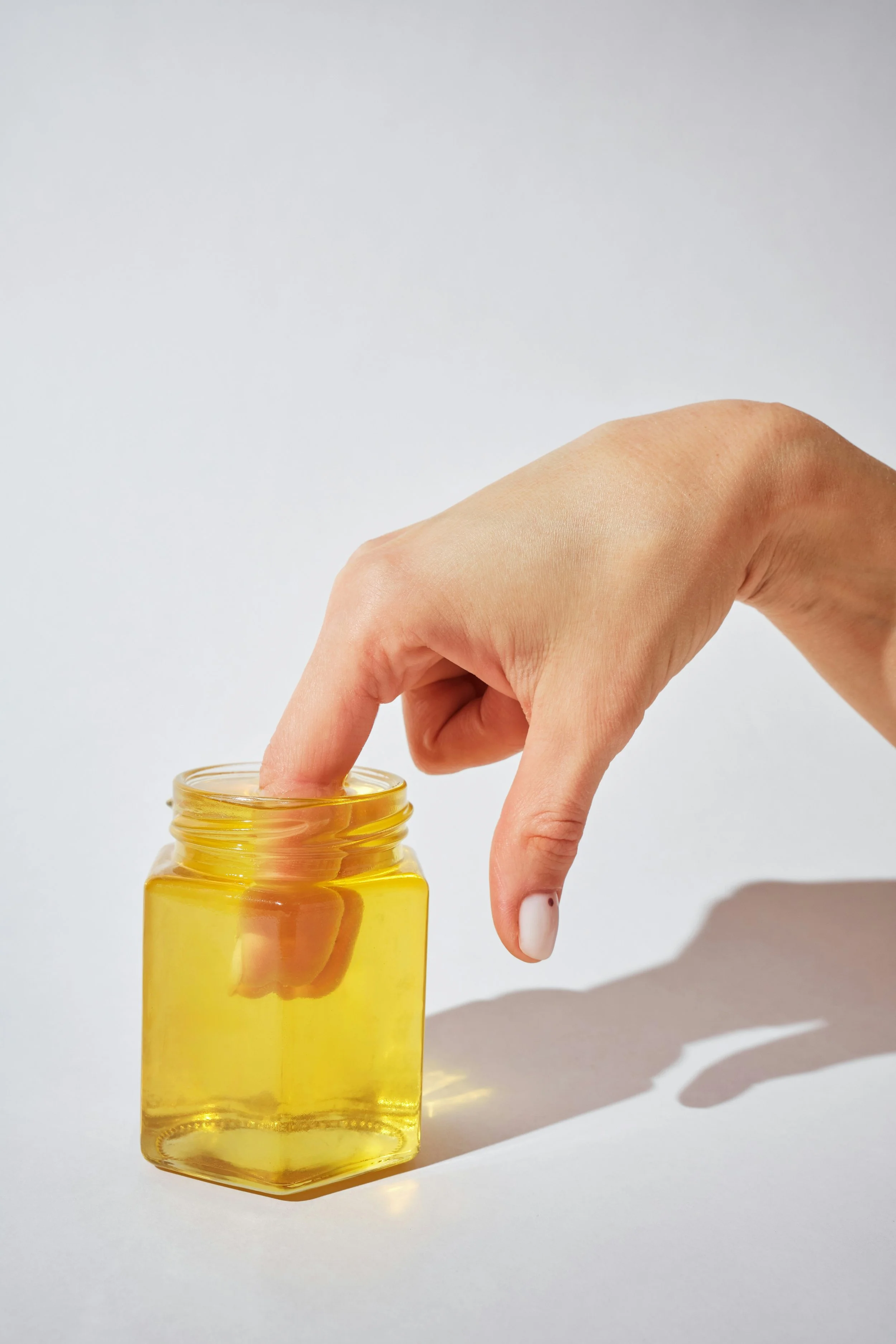
Wide-mouth jars increase the opportunity for contamination through repeated finger contact.
Some formulations may interact with packaging components over time, affecting either the product or the package itself.
For this reason, stability testing should always be performed in the final commercial packaging whenever possible.
Testing a formula in one container and selling it in another may produce different long-term results.
What Do Cosmetic Chemists Look for During Stability Testing?
Shelf-life studies involve much more than checking whether a product still "looks okay."
Throughout testing, formulators evaluate numerous characteristics to identify even subtle changes over time.
Common evaluations include:
Appearance
Has the product changed color?
Has it become cloudy?
Has sediment formed?
Has the surface appearance changed?
Odor
Has the fragrance changed?
Are there signs of oxidation or ingredient degradation?
Has any unexpected odor developed?
Texture and Viscosity
Does the product still spread the same way?
Has it become thinner or thicker?
Has the sensory experience changed?
pH
Many cosmetic ingredients perform best within specific pH ranges.
Unexpected pH drift over time may affect ingredient performance, preservation, or overall product stability.
Emulsion Stability
For creams and lotions, chemists monitor whether oil and water remain properly emulsified.
Signs of instability may include:
Separation
Oil pooling
Water release
Graininess
Syneresis
Even small changes can indicate future stability concerns.
Shelf Life Isn't Just About the Formula
The finished cosmetic product includes much more than the formulation itself.
Other factors influencing shelf life include:
Raw material quality
Manufacturing consistency
Filling procedures
Packaging compatibility
Transportation conditions
Warehouse temperatures
Consumer storage habits
A beautifully formulated product may still experience problems if it's exposed to excessive heat during shipping or stored improperly after purchase.
Because so many variables contribute to product longevity, shelf-life determination combines laboratory science with practical manufacturing knowledge.
Opened Products Behave Differently Than Unopened Products
Another common misconception is that shelf life and product lifetime after opening are the same thing.
They are not.
Shelf life generally refers to how long an unopened product remains suitable for use when stored under recommended conditions.
Once opened, the product begins encountering new environmental factors.
Every use may introduce:
Air
Moisture
Microorganisms
Skin contact
Temperature fluctuations
These exposures can gradually influence product quality over time.
This is why many cosmetic products also include a Period After Opening (PAO) symbol, indicating the recommended period of use after the product has been opened.
An unopened moisturizer may have a shelf life of several years, while the recommended period after opening may be significantly shorter.
Why Products Sometimes Fail Stability Testing
Not every prototype successfully completes stability evaluation.
Fortunately, identifying problems during development is exactly why stability testing exists.
Common reasons formulations fail include:
Emulsion separation
Color instability
Fragrance degradation
pH drift
Ingredient incompatibility
Crystal formation
Unexpected viscosity changes
Packaging incompatibility
Oxidation
When problems are identified early, formulators can adjust the formulation before commercial production begins.
Making these changes during development is far less expensive than discovering problems after products have reached consumers.
In many cases, stability testing doesn't simply validate a formula—it helps improve it.
Can You Guarantee a Cosmetic Product's Shelf Life?
This is one of the most common questions founders ask.
The honest answer is no.
No cosmetic chemist, manufacturer, or testing laboratory can guarantee exactly how every individual product will perform under every possible storage condition.
Why?
Because real-world conditions vary tremendously.
A product stored in a climate-controlled warehouse behaves differently than one left inside a hot delivery truck.
A moisturizer kept in a cool bedroom ages differently than one stored in a steamy shower for months.
A serum used daily experiences different environmental exposure than one opened only occasionally.
Shelf-life testing helps predict how products are expected to perform under normal conditions, but no laboratory can recreate every environment a product may encounter throughout its lifetime.
The goal isn't certainty.
The goal is building enough scientific evidence to confidently support the product's expected shelf life.
Does Every Cosmetic Product Have the Same Shelf Life?
Not at all.
Shelf life depends on numerous factors, including:
Formula composition
Water content
Preservative system
Packaging design
Ingredient stability
Manufacturing quality
Storage conditions
Product format
For example, an anhydrous facial oil may have very different stability considerations than a water-based moisturizer.
Likewise, a vitamin C serum may present different stability challenges than a basic body lotion because certain active ingredients naturally degrade more quickly when exposed to oxygen, heat, or light.
Every formulation must be evaluated on its own merits.
Active Ingredients Can Influence Shelf Life
Some cosmetic ingredients remain stable for years under appropriate conditions.
Others are much more sensitive.
Ingredients such as antioxidants, vitamins, botanical extracts, peptides, enzymes, probiotics, and naturally derived materials may require additional formulation strategies to maximize stability.
Formulators often improve long-term stability by considering:
Appropriate pH
Chelating agents
Antioxidants
Oxygen-reducing packaging
UV-protective packaging
Optimized emulsifier systems
Careful raw material selection
Protecting sensitive ingredients begins during formulation—not after manufacturing.
Shelf Life Should Be Considered During Product Development
One of the biggest mistakes brands make is treating stability as something to evaluate after the formula is finished.
In reality, shelf-life considerations should influence development from the very beginning.
Questions experienced formulators ask include:
Is this ingredient appropriate for the intended shelf life?
Will the packaging adequately protect the formulation?
Can the product tolerate expected shipping temperatures?
Will consumers use the product in humid environments?
Is the preservative system appropriate for the formula?
Can this product be manufactured consistently at scale?
Thinking about these questions early often reduces development time, minimizes reformulation, and improves long-term product quality.
Shelf Life Is a Combination of Science and Experience
Laboratory testing provides valuable data.
Experience provides context.
An experienced cosmetic chemist doesn't evaluate stability results in isolation.
Instead, those results are interpreted alongside formulation chemistry, ingredient behavior, packaging compatibility, manufacturing processes, microbiological considerations, and historical knowledge from similar formulations.
This broader perspective helps brands make informed decisions about commercialization while reducing unnecessary development risks.
Shelf-life determination isn't simply checking boxes on a testing protocol.
It's applying scientific evidence to understand how a product is likely to perform throughout its life cycle.
Key Takeaways
Shelf life is determined through scientific evaluation rather than estimation.
Accelerated stability testing provides early insight into long-term product performance.
Real-time stability studies help confirm long-term stability under normal storage conditions.
Packaging compatibility plays a major role in determining product longevity.
Active ingredients, preservatives, manufacturing quality, and storage conditions all influence shelf life.
Stability testing identifies opportunities to improve formulations before commercial production begins.
Shelf-life determination combines laboratory data with professional formulation experience.
Cosmeta's Perspective
Shelf life is often viewed as the final checkpoint before launch.
We see it differently.
At Cosmeta, stability isn't something that begins after formulation is complete—it's something we design for from the very first prototype.
Every formulation decision has the potential to influence long-term product performance. Ingredient compatibility, preservation strategy, emulsion design, packaging selection, manufacturing processes, and even consumer use patterns all contribute to how a product ages over time.
That's why successful product development isn't simply about creating a formula that works today.
It's about creating one that continues performing months—and often years—after it leaves the manufacturing facility.
When stability is considered throughout development rather than at the end, brands are better positioned to commercialize products with confidence, reduce costly reformulations, and build lasting consumer trust.
Ready for the Next Step
Whether you're developing a completely new cosmetic product or preparing an existing formula for manufacturing, understanding shelf life is an essential part of creating products consumers can trust.
At Cosmeta, we develop formulations with long-term stability, manufacturability, packaging compatibility, and commercialization in mind so products are designed for success well beyond the laboratory.
FAQs
-
Shelf life is estimated using a combination of accelerated stability testing, real-time stability studies, packaging compatibility evaluations, microbiological assessments, raw material data, and formulation expertise. Cosmetic chemists use these combined results to predict how a product is expected to perform throughout its intended life cycle.
-
Item descriptionAccelerated stability testing exposes products to elevated temperatures and other controlled environmental conditions to speed up many of the natural aging processes. This allows formulators to identify potential stability concerns much sooner than waiting years under normal storage conditions.
-
No. Stability testing provides scientific evidence to support an expected shelf life, but real-world storage conditions vary. Exposure to excessive heat, freezing temperatures, direct sunlight, humidity, or improper storage can affect product quality more quickly than expected.
-
Packaging protects the formula from environmental factors such as oxygen, moisture, light, and contamination. Different packaging systems provide different levels of protection, which is why stability testing is ideally performed using the final commercial packaging rather than a temporary laboratory container.
-
Yes. Even relatively small changes to ingredients, preservative systems, fragrance, pH, packaging, or manufacturing processes can influence long-term stability. Whenever significant formulation changes are made, additional stability evaluation may be necessary to confirm that the expected shelf life remains appropriate