How Sensory Science Shapes a Product's Texture
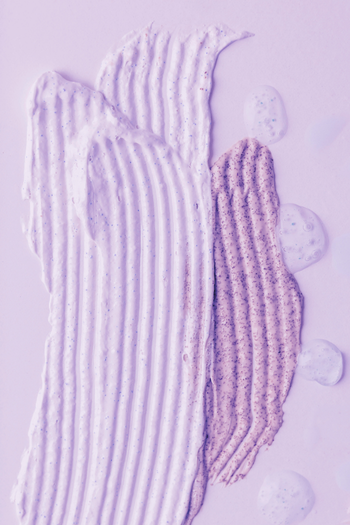
“Consumers may buy a product because of its ingredients, but they repurchase it because of how it makes them feel.”
Ask someone why they love a skincare product, and they'll often start by describing how it feels.
"It melts into my skin."
"It feels luxurious."
"It isn't greasy."
"It absorbs instantly."
"It feels expensive."
Interestingly, very few consumers know which ingredients create those sensations.
They simply know how the product makes them feel.
That's sensory science.
Texture isn't something that happens after a formula is finished.
It's designed from the very first stages of development.
Every ingredient, every processing step, and every manufacturing decision influences how a product spreads, absorbs, cushions, glides, dries, and ultimately how consumers judge its quality.
In many cases, two products containing nearly identical active ingredients can create completely different consumer experiences simply because their sensory profiles were engineered differently.
Understanding sensory science helps explain why texture has become one of the most powerful competitive advantages in cosmetic formulation.
What Is Sensory Science?
Sensory science is the study of how people perceive a product through their senses.
In cosmetics, this includes far more than touch.
A consumer begins evaluating a product before it ever reaches their skin.
Sensory perception includes:
Appearance
Color
Opacity
Gloss
Sound
Fragrance
Initial touch
Spreadability
Cushion
Slip
Absorption
Residual feel
Finish
Skin appearance after application
Together, these sensations create an overall experience that consumers often describe with words like "luxurious," "clean," "rich," "weightless," or "sticky."
These descriptions aren't random.
They're engineered.
Texture Is a Performance Attribute
Many founders think texture is purely cosmetic.
In reality, texture is one of a product's most important performance characteristics.
A product can contain exceptional active ingredients, but if consumers dislike using it, they probably won't use it consistently.
That means they may never experience the benefits the formula was designed to deliver.
Consumer compliance begins with sensory experience.
The easier and more enjoyable a product is to apply, the more likely consumers are to continue using it.
Great texture improves:
Consumer satisfaction
Product differentiation
Brand perception
Repurchase rates
Product reviews
Long-term loyalty
Texture isn't decoration.
It's part of product performance.
Every Ingredient Changes the Way a Product Feels
One of the biggest misconceptions is believing that only thickeners determine texture.
In reality, almost every ingredient contributes to the final sensory profile.
Examples include:
Emollients
Control richness, slip, glide, playtime, and afterfeel.
Humectants
Influence tackiness, hydration, cushion, and skin comfort.
Emulsifiers
Affect creaminess, body, drag, and overall elegance.
Rheology Modifiers
Determine viscosity, suspension, yield value, and how the product flows.
Silicones or Silicone Alternatives
Create silky glide, reduced friction, and elegant spreadability.
Powders
Can provide soft-focus effects, velvety finishes, oil absorption, or dry-touch aesthetics.
Film Formers
Influence tightening sensations, wear resistance, transfer resistance, and skin feel after drying.
Every ingredient interacts with every other ingredient.
Texture is never created by one raw material alone.
Sensory Science Begins Before the First Prototype
One of the biggest differences between experienced cosmetic chemists and inexperienced formulators is that experienced chemists often imagine the desired sensory profile before writing the first formula.
Rather than asking:
"What ingredients should I use?"
They begin with questions like:
Should this feel rich or weightless?
Should it absorb instantly or provide longer massage time?
Should it leave a dewy finish or a matte finish?
Should consumers notice a cooling sensation?
Should it feel cushiony or silky?
Should it disappear completely or leave a protective film?
Those decisions guide ingredient selection long before the first batch is ever mixed.
Texture isn't adjusted at the end of development.
It is built into the formulation strategy from the beginning.
Why Two Nearly Identical Ingredient Lists Can Feel Completely Different
One of the most surprising discoveries for many founders is that two products with nearly identical ingredient lists can feel nothing alike.
That's because an ingredient list doesn't tell you:
Ingredient percentages
Processing order
Mixing speeds
Heating profiles
Emulsion structure
Droplet size
Polymer interactions
Manufacturing process
Raw material grades
Processing energy
Two moisturizers may contain almost the same INCI declaration while delivering dramatically different consumer experiences.
The ingredient list tells only part of the story.
The formulation tells the rest.
How Cosmetic Chemists Engineer Texture
Texture is not a happy accident.
It is the result of hundreds of formulation decisions working together.
Every decision influences how a consumer experiences the product from the moment it leaves the package until long after application.
Professional cosmetic chemists think about texture in stages.
Pick-Up
The first impression happens before the product ever touches the skin.
Consumers immediately notice:
How easily the product dispenses
Whether it looks rich or lightweight
Whether it appears glossy or matte
Whether it stretches, peaks, or flows
Whether it feels dense or airy
This first interaction begins forming expectations about product quality.
Spreadability
Once the product contacts the skin, spreadability becomes critical.
Questions a chemist considers include:
Does it glide easily?
Does it drag?
Does it require excessive rubbing?
Does it cover a large area?
Does it break during spreading?
Does it maintain a continuous film?
Spreadability influences perceived luxury far more than many founders realize.
Consumers rarely describe a product by saying, "It contains an elegant ester."
They say,
"It melts."
"It glides."
"It spreads beautifully."
Absorption
Absorption is another carefully engineered characteristic.
Not every product should absorb immediately.
Some products are intentionally designed to provide:
Longer massage time
Occlusive protection
Rich overnight nourishment
Extended playtime
Others should disappear almost instantly.
The desired absorption profile depends entirely on the product's purpose.
A lightweight vitamin C serum should feel very different from a rich overnight sleeping mask.
Afterfeel
Long after the product disappears visually, consumers continue evaluating it.
They notice:
Residual tackiness
Smoothness
Softness
Powdery finish
Silicone feel
Waxiness
Oiliness
Skin flexibility
Cushion
Film formation
This lingering impression often determines whether someone enjoys using the product every day.
Rheology: The Science Behind Texture
One of the most important disciplines in cosmetic formulation is rheology.
Rheology is the science of how materials flow and deform under stress.
While consumers describe products as thick, silky, whipped, or luxurious, chemists describe them using rheological behavior.
Examples include:
Viscosity
Yield value
Shear thinning
Elasticity
Thixotropy
Flow behavior
Understanding rheology allows chemists to predict how products behave during:
Manufacturing
Filling
Pump dispensing
Jar removal
Application
Storage
Shipping
A cream that feels luxurious but cannot be pumped consistently may never become a successful commercial product.
Luxury Texture Rarely Comes From One Ingredient
Founders often ask,
"What ingredient gives this luxury feel?"
The answer is almost never one ingredient.
Luxury texture comes from ingredient synergy.
Chemists carefully balance dozens of variables simultaneously, including:
Multiple emollients
Emulsifier systems
Polymer combinations
Powder selection
Oil phase composition
Water phase structure
Humectant ratios
Thickener interactions
Processing conditions
Sometimes replacing a single emollient changes the entire personality of the product.
Sometimes increasing one polymer by only 0.1% dramatically changes spreadability.
These seemingly minor adjustments often separate ordinary formulations from exceptional ones.
Processing Changes Texture Too
One of the least appreciated aspects of sensory science is that manufacturing itself changes texture.
Two chemists can use identical formulas and produce noticeably different products depending on how they manufacture them.
Variables include:
Mixing speed
Mixing time
Heating temperature
Cooling profile
Order of ingredient addition
Homogenization energy
Vacuum processing
Batch size
These factors influence emulsion structure, droplet size, viscosity development, and ultimately how the product feels on the skin.
This is one reason technology transfer and manufacturing scale-up require careful validation.
A formula that feels perfect in a one-kilogram laboratory batch may behave differently in a 2,000-kilogram production vessel.
Why Texture Is One of the Hardest Things to Copy
Competitors can often identify the ingredients in a product through laboratory analysis.
They can estimate concentrations.
They can reproduce an INCI list.
What they cannot easily duplicate is the accumulated knowledge behind the sensory profile.
Texture reflects years of formulation experience, prototype iterations, supplier knowledge, manufacturing expertise, and countless small decisions that never appear on an ingredient list.
This is one reason truly elegant formulations are so difficult to reverse engineer.
The recipe tells only part of the story.
The formulation strategy tells the rest.
Common Sensory Mistakes
Many otherwise excellent formulas fail because too little attention is paid to consumer experience.
Common mistakes include:
Focusing only on active ingredients.
Making products unnecessarily sticky.
Creating excessive drag during application.
Leaving heavy residue after absorption.
Designing textures that don't match the product's positioning.
Ignoring how packaging influences dispensing.
Forgetting that sensory expectations vary by market and product category.
A luxury night cream should not necessarily feel like a lightweight gel moisturizer.
Likewise, a sports sunscreen shouldn't leave the same finish as a facial primer.
Great sensory design always begins with understanding how the product will actually be used.
Key Takeaways
Texture is one of the most important factors influencing whether consumers repurchase a cosmetic product.
Sensory science evaluates how a product looks, spreads, absorbs, feels, and performs throughout the entire application experience.
Every ingredient contributes to texture—not just thickeners or emulsifiers.
Great texture is created through the interaction of ingredients, formulation strategy, and manufacturing processes.
Two products with nearly identical ingredient lists can feel dramatically different because of formulation design and processing.
Rheology helps chemists predict how a product will behave during manufacturing, filling, storage, dispensing, and consumer use.
Manufacturing conditions such as mixing speed, homogenization, and cooling profiles can significantly change the final sensory profile.
Exceptional texture is one of the hardest aspects of a cosmetic formula to reverse engineer because much of the expertise lies in formulation experience rather than the ingredient list alone.
Cosmeta's Perspective
Consumers often believe they're choosing products based on ingredients.
In reality, they build relationships with products through experience.
A serum that feels sticky may never be used consistently, regardless of how effective its active ingredients are. A moisturizer that glides effortlessly, absorbs beautifully, and leaves skin feeling comfortable creates an emotional response long before any measurable skin improvement occurs.
That's why sensory science isn't simply about making products feel luxurious.
It's about making products enjoyable enough that consumers want to use them every day.
One of the biggest misconceptions in formulation is treating texture as the final adjustment after performance has been achieved. In practice, texture is part of performance. The ideal sensory profile influences compliance, perceived efficacy, customer satisfaction, reviews, and ultimately whether a product becomes part of someone's daily routine.
At Cosmeta, we don't formulate ingredients into products.
We formulate experiences.
Every decision—from selecting an emollient to choosing an emulsifier, optimizing rheology, or refining the manufacturing process—is made with the consumer's hands in mind. Because when formulation science and sensory science work together, products don't just perform better.
They feel unforgettable.
Ready for the Next Step
Whether you're developing a lightweight serum, a rich overnight cream, or an entirely new product category, defining the desired sensory experience before formulation begins leads to more intentional ingredient selection, more efficient development, and products consumers genuinely enjoy using.
FAQs
-
Sensory science is the study of how consumers perceive a cosmetic product through sight, touch, smell, and overall application experience. It includes characteristics such as spreadability, absorption, texture, finish, and afterfeel.
-
Texture influences how enjoyable a product is to use. Consumers are more likely to use products consistently—and repurchase them—when they have an elegant sensory profile that matches their expectations.
-
Texture is influenced by many ingredient categories, including emollients, humectants, emulsifiers, rheology modifiers, powders, film formers, oils, waxes, and silicone or silicone-alternative materials. The final sensory profile comes from how these ingredients work together, not from any single ingredient.
-
Yes. Ingredient concentrations, processing methods, mixing conditions, emulsion structure, rheology, and manufacturing all influence how a product feels. Two formulas with similar INCI lists can deliver dramatically different consumer experiences.
-
Texture reflects far more than the ingredient list. It depends on formulation strategy, ingredient interactions, processing conditions, manufacturing expertise, and countless development decisions made throughout the formulation process. That's why exceptional sensory profiles are often one of the most difficult aspects of a cosmetic product to replicate.