Waterless and Anhydrous Formulation: What It Actually Requires
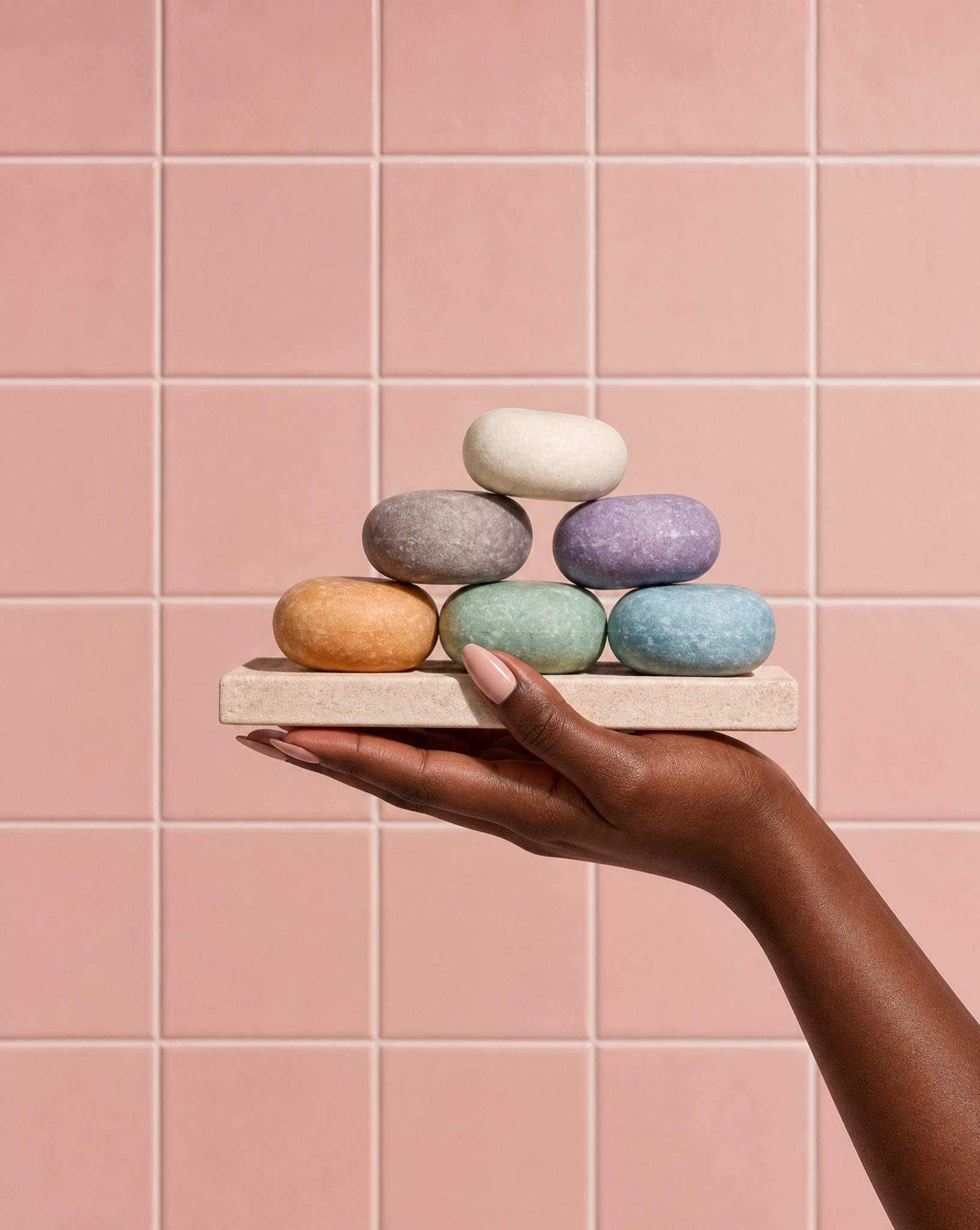
“Waterless formulation isn’t about taking water out of a product. It’s about rethinking performance with radical creativity”
Waterless beauty has become one of the industry's most talked-about trends.
Consumers associate it with sustainability.
Brands associate it with innovation.
Marketing often associates it with concentrated performance.
But from a cosmetic chemist's perspective, removing water isn't simply deleting one ingredient from the formula.
It changes almost everything.
Water influences preservation, ingredient selection, manufacturing, stability, packaging, texture, consumer use, and even regulatory considerations.
Creating an exceptional waterless product requires solving an entirely different set of formulation challenges than traditional emulsions.
Some products become easier to formulate without water.
Others become significantly more difficult.
Understanding that distinction is what separates meaningful innovation from marketing language.
What Does "Waterless" Actually Mean?
One of the biggest misconceptions is that waterless and anhydrous mean exactly the same thing.
They don't.
Although the terms are often used interchangeably, they describe different concepts.
An anhydrous formulation contains no intentionally added water.
Examples include:
Facial oils
Cleansing balms
Body oils
Lip balms
Solid perfumes
Massage bars
Some ointments
A waterless product is broader.
It may contain no water at all, or it may simply eliminate water during shipping and require activation later by the consumer.
Examples include:
Shampoo bars
Powder cleansers
Powder masks
Concentrated tablets
Water-activated exfoliants
Dry sheet masks
Solid conditioners
Some waterless products are completely anhydrous.
Others simply postpone the addition of water until the product reaches the consumer.
Understanding that distinction is important because it affects formulation strategy.
Why Water Became the Industry Standard
Water is an extraordinary cosmetic ingredient.
It is:
Safe
Inexpensive
Excellent at dissolving many ingredients
Pleasant during application
Compatible with countless formulation systems
Easy to manufacture with
Water also allows chemists to create elegant emulsions with a wide variety of textures.
Many of the lotions, creams, serums, and gels consumers use every day would not exist without water.
Removing it fundamentally changes how products behave.
Why Brands Are Interested in Waterless Beauty
The popularity of waterless beauty comes from several overlapping trends.
Some brands pursue waterless formulation because of sustainability.
Others focus on product concentration.
Others simply want to create something consumers perceive as innovative.
Potential advantages include:
Reduced shipping weight
Smaller packaging
Concentrated products
Longer use per package
Lower transportation emissions
New product formats
Reduced reliance on water during manufacturing
Premium positioning
Differentiation within crowded categories
However, none of these advantages are automatic.
Every benefit introduces new formulation challenges.
Removing Water Changes Everything
Water isn't just another ingredient.
It influences almost every aspect of formulation.
When it disappears, chemists must reconsider nearly every component of the formula.
Questions suddenly become:
How will ingredients dissolve?
How will actives be delivered?
How will the product spread?
What provides structure?
What replaces the sensory profile of water?
How will the product remain stable?
Which packaging becomes appropriate?
Rather than simplifying formulation, removing water often increases complexity.
Preservation Changes Completely
One of the biggest surprises for founders is that removing water doesn't automatically eliminate preservation considerations.
Water is required for most microorganisms to grow.
Anhydrous products generally present a much less favorable environment for microbial growth than water-containing emulsions.
However, that doesn't automatically make preservation unnecessary.
Products may still encounter water during:
Consumer use
Wet fingers entering jars
Bathroom humidity
Packaging contamination
Manufacturing
Water activity—not simply water content—plays a major role in determining microbial risk.
Some waterless products still benefit from preservation strategies depending on how they are intended to be used.
Assuming "water-free means preservative-free" can become an expensive mistake.
Ingredient Selection Changes Too
Many familiar cosmetic ingredients were designed specifically for water-based systems.
Without water, chemists often need entirely different ingredient technologies.
For example, formulation may require:
Oil-soluble antioxidants
Oil-dispersible actives
Specialty waxes
Structuring agents
Oleogels
Anhydrous emulsifier systems
Novel delivery technologies
Not every active ingredient performs well in an anhydrous environment.
Some require water to dissolve.
Others lose effectiveness.
Others become difficult to distribute evenly throughout the formula.
Choosing compatible ingredients becomes far more challenging than simply removing water.
Texture Becomes More Challenging
One of the biggest formulation hurdles in waterless beauty is creating an elegant sensory experience.
Consumers are accustomed to the light, refreshing feel of water-based emulsions.
Water provides immediate cooling during evaporation, contributes to spreadability, and allows creams to feel light while still delivering hydration.
Without water, chemists must recreate those sensory characteristics using entirely different technologies.
Questions become:
How do we reduce greasiness?
How do we improve glide?
How do we prevent excessive drag?
How do we create cushion without heaviness?
How do we improve rinseability?
How do we create a luxurious finish?
The answer is rarely one ingredient.
It requires balancing oils, esters, waxes, powders, oleogel systems, and structuring agents until the product delivers the intended experience.
A great waterless product shouldn't feel like a compromise.
It should feel intentionally designed.
Packaging Becomes Part of the Formula
Packaging plays an even greater role in waterless products than it does in traditional emulsions.
Because texture is often richer and more concentrated, dispensing becomes part of the consumer experience.
Different package types create different expectations.
Examples include:
Twist-up sticks
Solid push-up tubes
Airless dispensers
Metal tins
Glass jars
Powder shakers
Water-activated pumps
Single-dose capsules
Packaging must also protect the product from moisture entering during normal consumer use.
For example, a cleansing balm packaged in a wide-mouth jar may repeatedly encounter wet fingers.
A powder cleanser may require moisture-resistant packaging to prevent clumping.
The formula and package should always be developed together—not independently.
Manufacturing Is Different Too
Removing water doesn't necessarily simplify manufacturing.
In many cases it introduces new challenges.
Waterless formulations often require careful control of:
Melting temperatures
Cooling rates
Crystallization behavior
Wax structure
Mixing energy
Filling temperatures
Solidification rates
A balm that appears perfect in the laboratory may develop graininess months later if cooling isn't properly controlled.
Similarly, a stick product may become too soft in summer or too brittle in winter if the structural system isn't carefully optimized.
Manufacturing conditions are just as important as the ingredient list.
Waterless Doesn't Automatically Mean Sustainable
One of the reasons waterless beauty gained popularity is its association with sustainability.
In many situations, waterless products can reduce:
Shipping weight
Packaging size
Transportation emissions
Consumer waste
However, sustainability should be evaluated holistically.
Questions worth asking include:
Where are the ingredients sourced?
How energy-intensive is manufacturing?
Can the packaging be recycled?
Does the product require more difficult raw materials?
How much product is needed per use?
Does the concentrated format reduce overall consumption?
A waterless product isn't automatically more sustainable simply because it contains no water.
Meaningful sustainability considers the entire product lifecycle.
Waterless Doesn't Automatically Mean More Concentrated
This is another common misconception.
Consumers often assume that removing water means every remaining ingredient becomes dramatically more effective.
Not necessarily.
Concentration depends on the formulation objective.
Some waterless products are indeed highly concentrated.
Others simply replace water with oils, waxes, esters, or other functional ingredients.
Removing water changes composition.
It doesn't automatically increase efficacy.
Performance still depends on formulation design, ingredient compatibility, delivery systems, and consumer use.
The Future of Waterless Beauty
Waterless beauty is likely to continue growing, but not because it's fashionable.
It solves real formulation and business challenges.
We're already seeing innovation in:
Concentrated serums
Dissolvable tablets
Powder cleansers
Water-activated masks
Shampoo and conditioner bars
Solid body care
Refillable systems
Hybrid formats
Biotechnology-enabled concentrates
The next generation of waterless products will likely focus less on simply removing water and more on improving convenience, sustainability, transportation efficiency, and consumer experience.
The brands that succeed won't simply eliminate water.
They'll redesign the entire product around a better way to deliver performance.
Key Takeaways
Waterless and anhydrous are related but not identical terms. Anhydrous means no intentionally added water, while waterless products may either contain no water or require water to be added during use.
Removing water changes nearly every aspect of formulation, including ingredient selection, preservation strategy, texture, packaging, manufacturing, and stability.
Waterless products are not automatically preservative-free. Water activity, consumer use, and packaging all influence microbial risk.
Developing elegant waterless textures often requires entirely different ingredient technologies than traditional emulsions.
Packaging is an integral part of successful waterless formulation and should be developed alongside the formula.
Manufacturing parameters such as melting, cooling, crystallization, and filling temperatures can significantly affect the final product.
Waterless products are not inherently more sustainable or more effective. Their overall environmental impact and performance depend on thoughtful formulation and product design.
The future of waterless beauty lies in solving real consumer and manufacturing challenges—not simply removing water as a marketing claim.
Cosmeta's Perspective
Waterless formulation represents one of the most exciting opportunities in modern cosmetic chemistry, but it also illustrates a broader lesson about innovation.
True innovation rarely comes from subtracting a single ingredient.
It comes from rethinking the entire system.
Removing water forces chemists to reconsider every aspect of product design, from ingredient compatibility and preservation strategy to packaging, manufacturing, sensory performance, and consumer use. It challenges long-held assumptions and often leads to entirely new product formats rather than incremental improvements to existing ones.
That's why the best waterless products don't feel like traditional products with water removed.
They feel like products that were designed from the beginning to exist without it.
At Cosmeta, we see waterless formulation as more than a sustainability trend. It is an opportunity to rethink how products are manufactured, transported, stored, and experienced by consumers. Sometimes that leads to a solid cleanser. Sometimes it's a concentrated serum, a dissolvable tablet, or an entirely new delivery system that didn't previously exist.
The future belongs to formulators who ask better questions, not simply those who remove one ingredient.
Ready for the Next Step
Whether you're exploring a waterless innovation, a concentrated product format, or a completely new delivery system, successful development starts with understanding the technical trade-offs before selecting the first ingredient. Building the right formulation strategy early creates better products, smoother scale-up, and stronger long-term differentiation.
FAQs
-
An anhydrous product contains no intentionally added water. Waterless is a broader term that may include completely anhydrous products as well as products that require water to be added by the consumer during use, such as powder cleansers or dissolvable tablets.
-
Not always, but removing water does not automatically eliminate microbial risk. Water activity, packaging, consumer use, and the potential for contamination all influence whether preservation strategies are appropriate.
-
Sometimes, but not always. Some waterless products contain higher concentrations of functional ingredients, while others simply replace water with oils, waxes, esters, or other structural materials. Performance depends on the overall formulation, not just the absence of water.
-
They can be, particularly when reduced shipping weight, smaller packaging, or concentrated formats lower environmental impact. However, true sustainability depends on the entire product lifecycle, including ingredient sourcing, manufacturing, packaging, transportation, and consumer use.
-
Without water, chemists must solve different challenges involving ingredient compatibility, product structure, sensory performance, preservation strategy, packaging, manufacturing, and stability. Developing an elegant waterless product often requires entirely different formulation technologies than traditional creams and lotions.