
Cosmeta Intelligence
Research. Formulation. Future of Beauty.
Cosmetic Packaging Compatibility Testing: What It Is and Why It Matters
A cosmetic formula can be perfectly stable in laboratory glass and still fail in its final bottle, tube, jar, or pump. Compatibility testing evaluates the formula and packaging as one system, helping identify leaking, discoloration, evaporation, material changes, pump failure, and other problems before commercial production.
In-House vs. Freelance Cosmetic Chemist: Which Is Right for Your Beauty Brand?
Should a beauty brand hire an in-house cosmetic chemist or work with an independent formulation partner? The answer depends less on company size than on development volume, technical needs, infrastructure, ownership goals, and how much R&D capacity the brand needs year-round. Here is how to make the decision.
Cosmetic Labeling Requirements: What Beauty Brands Need Before Launch
Cosmetic labeling is more than fitting an ingredient list onto the back of a bottle. Product identity, net contents, ingredient names, business information, warnings, claims, and newer MoCRA requirements all affect whether a U.S. cosmetic label is compliant. Here is what beauty founders should understand before artwork is finalized.
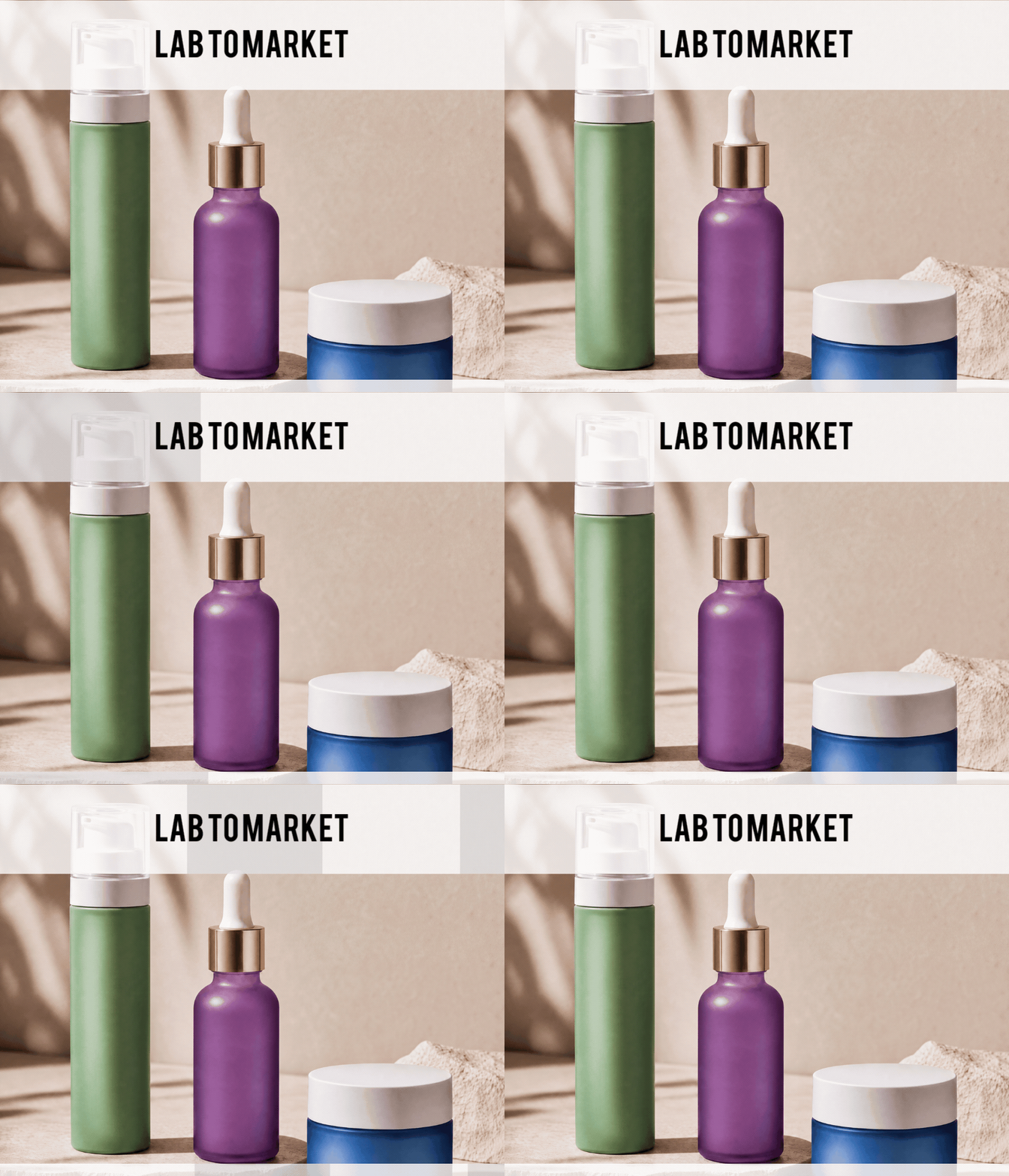
Airless Pump vs. Dropper vs. Jar: How Packaging Choice Affects Formula Stability
Airless pump, dropper, or jar? Packaging choice can influence oxidation, contamination exposure, evaporation, dispensing, and ultimately how well a cosmetic formula performs over its shelf life. The best package is not automatically the most protective one. It is the one that makes sense for the formula, consumer, manufacturing process, and product strategy.

What Is a Cosmetic Product Information File (PIF)? EU & UK Requirements Explained
A Cosmetic Product Information File, or PIF, is the regulatory record behind a cosmetic product placed on markets such as the European Union and Great Britain. It connects the formula, safety assessment, manufacturing, claims support, and other required documentation in one maintained file. Here is what beauty founders need to understand before international expansion.
Why Beauty Brands Should Own Their Formulas Before Fundraising
Raising capital can expose an issue many beauty founders do not discover until due diligence: paying to develop a product does not necessarily mean the company owns its formula. Securing ownership, documentation, confidentiality, and manufacturing rights before fundraising can make the product portfolio easier for investors to understand, value, scale, and eventually acquire.
Formulating OTC Products vs. Cosmetics: What Brands Need to Know
OTC products can look almost identical to cosmetics on the shelf, but the development path is very different. Here is what brands should understand about OTC monographs, active ingredients, claims, Drug Facts labeling, testing, manufacturing, and why developing an OTC formula is not the same thing as manufacturing the finished drug product.
Cosmetic Formulation Glossary: Essential Terms for Beauty Founders
Beauty product development has its own language, and founders encounter it quickly. This cosmetic formulation glossary explains the terms behind ingredients, formulas, testing, manufacturing, packaging, regulatory compliance, costs, and commercialization, with the practical context needed to understand what each term actually means during product development.
FDA Registration for Cosmetics: What Beauty Brands Need Under MoCRA
Cosmetics generally do not need FDA approval before launch, but many beauty companies now have mandatory FDA registration and product-listing obligations under MoCRA. The confusing part is that the facility registers while the Responsible Person lists the product. Here is what founders actually need to know before selling cosmetics in the United States.
How to Price a Skincare Product: A Formulator’s View
Pricing a skincare product starts long before the final retail price is chosen. Formula cost, packaging, manufacturing, channel margins, customer acquisition, promotions, and future retail expansion all affect what the product needs to sell for. The goal is not simply a high markup. It is a price structure the business can actually sustain.

What Beauty Investors Look for in a Formulation Strategy
Investors may discover a beauty brand through growth, but due diligence asks a different question: what actually makes the product defensible and scalable? Formula ownership, differentiation, margins, manufacturing flexibility, claims support, supply-chain risk, and product quality can all influence how durable the business looks beyond its current sales.
How to Source Ingredients for a Custom Cosmetic Formula
Ingredient sourcing influences far more than cost. It affects product performance, manufacturing flexibility, stability, supply chain resilience, and long-term scalability. Learn how cosmetic chemists evaluate suppliers and why a supplier-agnostic approach often produces stronger, more future-proof formulations.
Claims Substantiation: What You Can (and Can't) Say About Your Product
Marketing claims can build trust—or create legal risk. Learn what claims substantiation is, what evidence supports cosmetic claims, where brands commonly make mistakes, and how to confidently market your products while staying grounded in science.
GMP in Cosmetics: What It Means for Your Brand
Good Manufacturing Practices (GMP) influence the safety, consistency, and quality of every cosmetic product. Learn what GMP means, why it matters, how compliant manufacturers operate, and what beauty brands should know before choosing a manufacturing partner.
What Is COGS in Cosmetic Manufacturing? (Cost of Goods Explained)
Understanding your cosmetic product's Cost of Goods Sold (COGS) is one of the most important steps in building a profitable beauty brand. Learn what goes into COGS, how formulation and packaging decisions affect margins, and how thoughtful product development can improve long-term profitability without sacrificing performance.
How Long Does Cosmetic Product Development Take?
How long does it really take to develop a custom cosmetic product? Learn what influences development timelines, from strategy and prototype iterations to stability testing, manufacturing, and commercialization, so you can plan your launch with realistic expectations and avoid unnecessary delays.
What Is a Minimum Order Quantity (MOQ) and Why Does It Matter?
Minimum order quantities (MOQs) affect far more than how many products you manufacture. Learn why cosmetic MOQs exist, how they influence pricing, packaging, cash flow, and product development, and how to make smarter decisions before committing to your first production run.
How to Choose a Contract Manufacturer
Choosing a contract manufacturer is about much more than comparing quotes. The right manufacturing partner influences quality, scalability, timelines, and long-term success. Learn how to evaluate manufacturers, ask the right questions, and prepare your formula for a smooth transition from laboratory to commercial production.
How Many Prototype Iterations Should You Expect?
Wondering how many prototype iterations your cosmetic formula will require? Learn what influences formulation revisions, why multiple prototypes are often a sign of innovation rather than failure, and how collaboration between founders, chemists, and manufacturers leads to better products and more successful commercial launches.
Skincare Product Development: From Concept to Market
Developing a successful skincare product involves much more than creating a great formula. From market strategy and ingredient selection to prototype testing, stability studies, manufacturing, and launch preparation, every stage matters. This guide walks through the complete skincare product development process from concept to commercialization.